
Expert Insights
Get current insights from our experts on methane monitoring technology, news, initiatives and regulations.

New Product Teaser: Qube Lite Gateway Platform
The Qube Lite Gateway Platform is an ultra low cost, intrinsically-safe communications platform with Bluetooth capabilities. Deploy with various sensors across equipment or combine with other continuous monitoring sensors like Qube Lite for rapid, low-cost detection with operational context.

Qube’s Continuous Monitoring Uncovers Blocked Vent Line: Emissions Drop 80% at Colorado Wellsite
At a Colorado wellsite, Qube’s continuous monitoring system alerted operators to a sustained emission event. Qube’s data localized the emissions to the tank area and prompted a field investigation to verify the source of the anomaly. With this information, the team was able to identify the emission source and interrogate the root cause, a blocked vent line leading to the combustor.

Rapid Leak Detection in the Piceance Basin: How Qube Helped Catch A Separator Leak
In Colorado’s Piceance Basin, a leading operator continues to set the bar for emissions control and operational safety. By integrating Qube Technologies’ continuous methane monitoring system, the operator aimed to strengthen its LDAR program and protect nearby homes located within 1,000 feet of its well pad.
This case study details how real-time alarms and accurate emissions source localization led to rapid action at the wellsite. Notably, catching a high-volume leak at the separator from going unnoticed over the weekend.
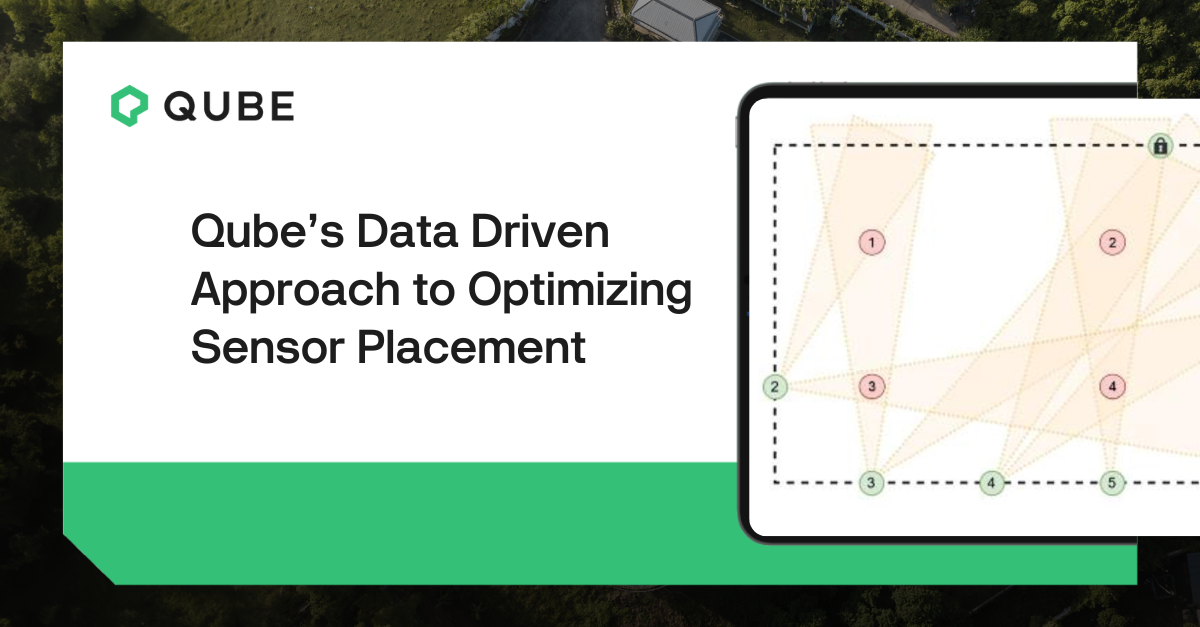
Qube’s Data Driven Approach to Optimizing Sensor Placement
Strategic sensor placement is critical for reliable, real-time methane detection. Detection depends not just on technology, but on understanding wind behavior, emission sources, and site constraints.
Qube’s deployment methodology uses historical wind data, source mapping, and MILP-based optimization to design sensor arrays that maximize detection coverage and minimize false negatives.
The Qube deployment tool turns this methodology into a practical workflow—helping operators visualize trade-offs, configure sensor layouts, and balance detection accuracy with budget.

How Qube’s Automated Alarms Caught a Cow at the Wellsite
A Colorado operator using Qube’s continuous methane monitoring system received an automated alert about an unexpected emissions spike at a wellhead. Upon investigation, the field team discovered the source: a cow had rubbed against the equipment and opened a manual ball valve, unintentionally releasing gas. The team quickly shut the valve, restored normal readings, and installed fencing to prevent similar incidents. Thanks to Qube’s real-time alerts, the issue was resolved within an hour—without downtime or emissions escalation.
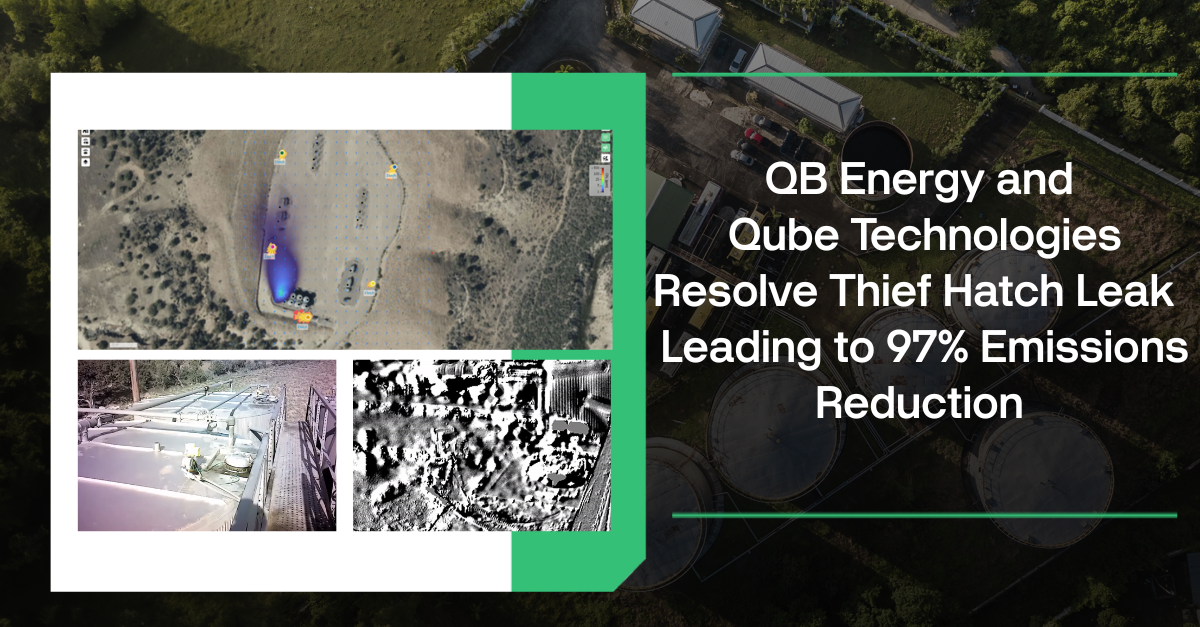
QB Energy and Qube Technologies Resolve Thief Hatch Leak Leading to 97% Emissions Reduction
“Another Win for Continuous Monitoring”
-Air Compliance Manager-QB Energy
Missed by AVO, caught by continuous monitoring. When Qube Technologies flagged elevated methane at a QB Energy tank site, field teams were able to locate and fix a leaking thief hatch—achieving a 97% emissions drop in hours. This case study shows how real-time continuous monitoring data and a fast response can keep operations running smooth.

How Qube Helped One Permian Operator Detect Offsite Emissions
Qube Technologies’ continuous emissions monitoring solutions provide operators with the tools to differentiate offsite from onsite emissions. Furthermore, our data modeling and intuitive dashboard omit those outside emissions from your facility total.

Don’t Let Third Parties Call Out Your Super Emitters: Stay Ahead with Qube’s Continuous Monitoring Solutions
Qube Technologies’ continuous emissions monitoring solutions provide operators with the tools to detect and respond to emissions trends before they become super emitter events. By configuring real-time alarms, operators can take corrective action immediately, preventing third-party reports and ensuring regulatory compliance.

Using Continuous Monitoring Data to Drive Management-By-Exception Practices
Management by exception helps upstream oil and gas operation managers focus on overall business unit performance. SCADA and Continuous monitoring systems together provide essential data that makes management by exception workflows more effective.

What New Rules for the Direct Measurement of Methane Emissions Mean for Colorado Operators
Continuous monitoring systems can cost-effectively meet updated monitoring and reporting requirements under Colorado Regulation 7.

The Role of Top-Down Technologies in the Proposed Changes to Subpart W
Continuous monitoring systems can help operators meet new reporting requirements and reduce regulatory exposure under the proposed rules in subpart W.

A Case for Implementing New Workflows With Continuous Monitoring Systems
Continuous monitoring systems enable oil and gas operators to continually monitor for methane emissions. But data and alarms alone will not stem an emissions event; dedicated operations and maintenance workflows are necessary to achieve positive outcomes from a CM system.

Navigating False Positives in Emission Monitoring
True false positive alarms are rarely issued by the Qube system. This articles explains what a false positive alarm is in the Qube system, how to make sense of METEC results, and the best practices for responding to potential false positive alarms.

Establishing Alarm Levels in the Qube Platform
Establishing the right alarm parameters for a facility is essential to driving the appropriate response to leak events. This article discusses the best practices for establishing alarm notifications, how to implement them, and the benefits of each method.